Reawakening
Young Arts 2020 Honorable Mention
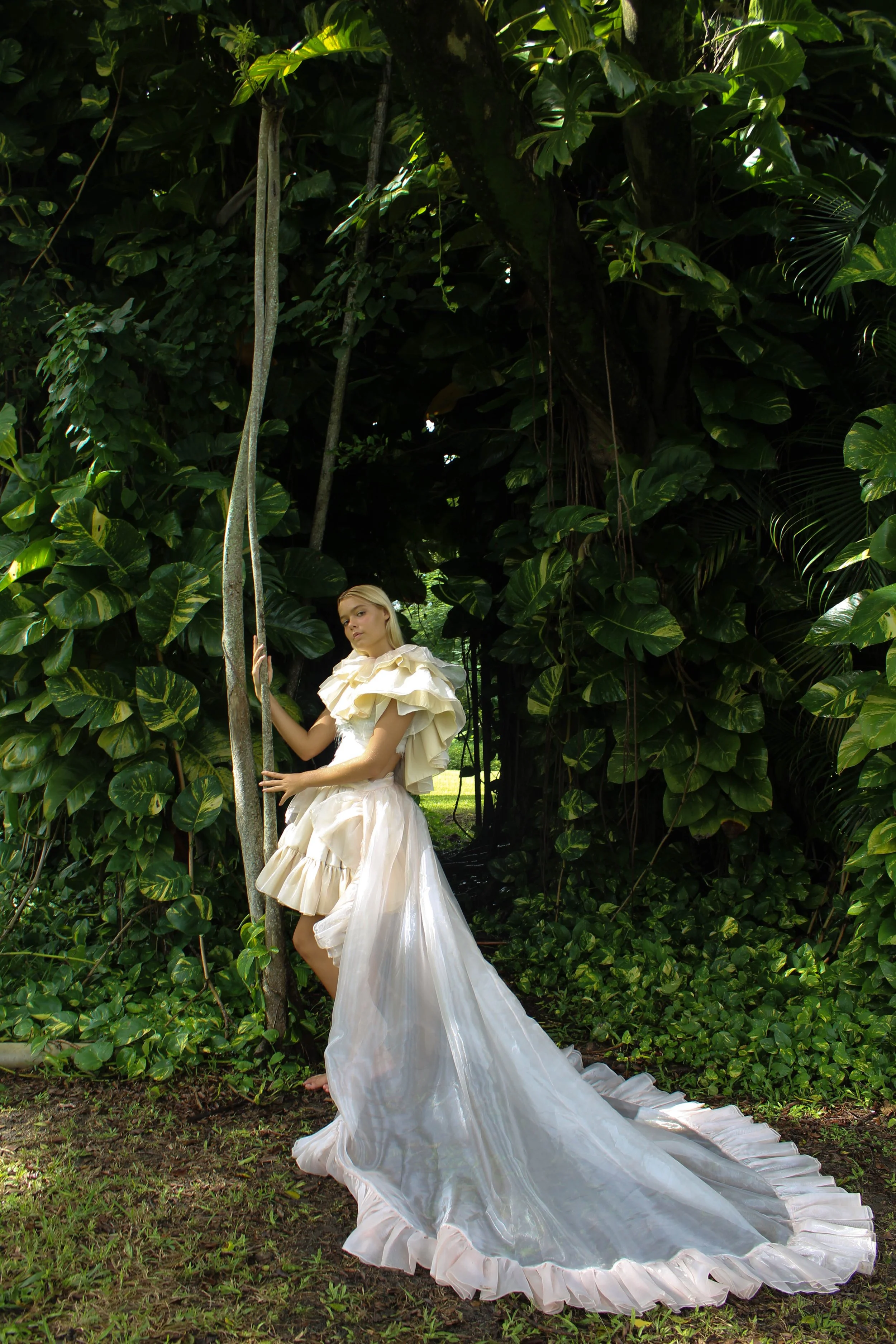
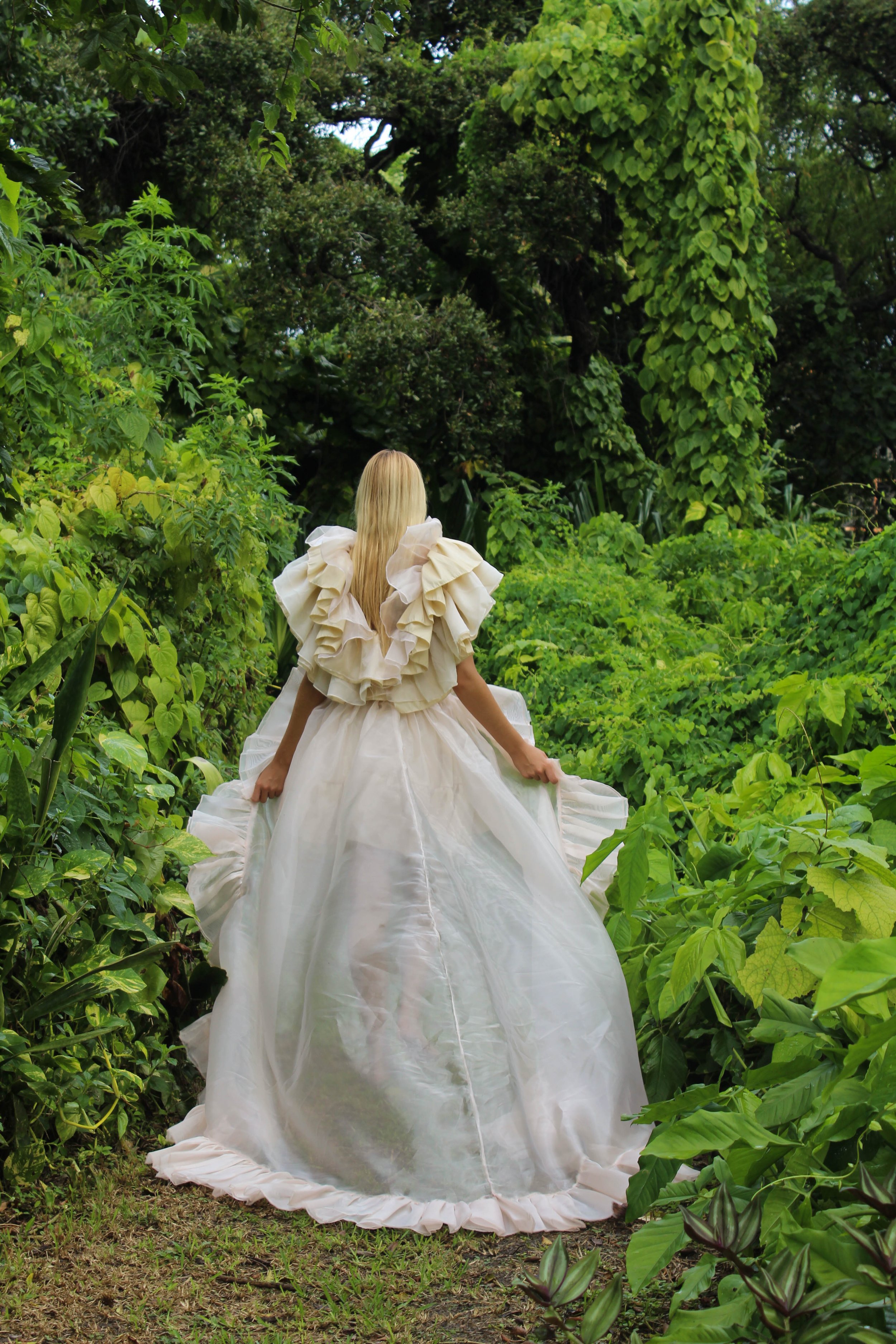
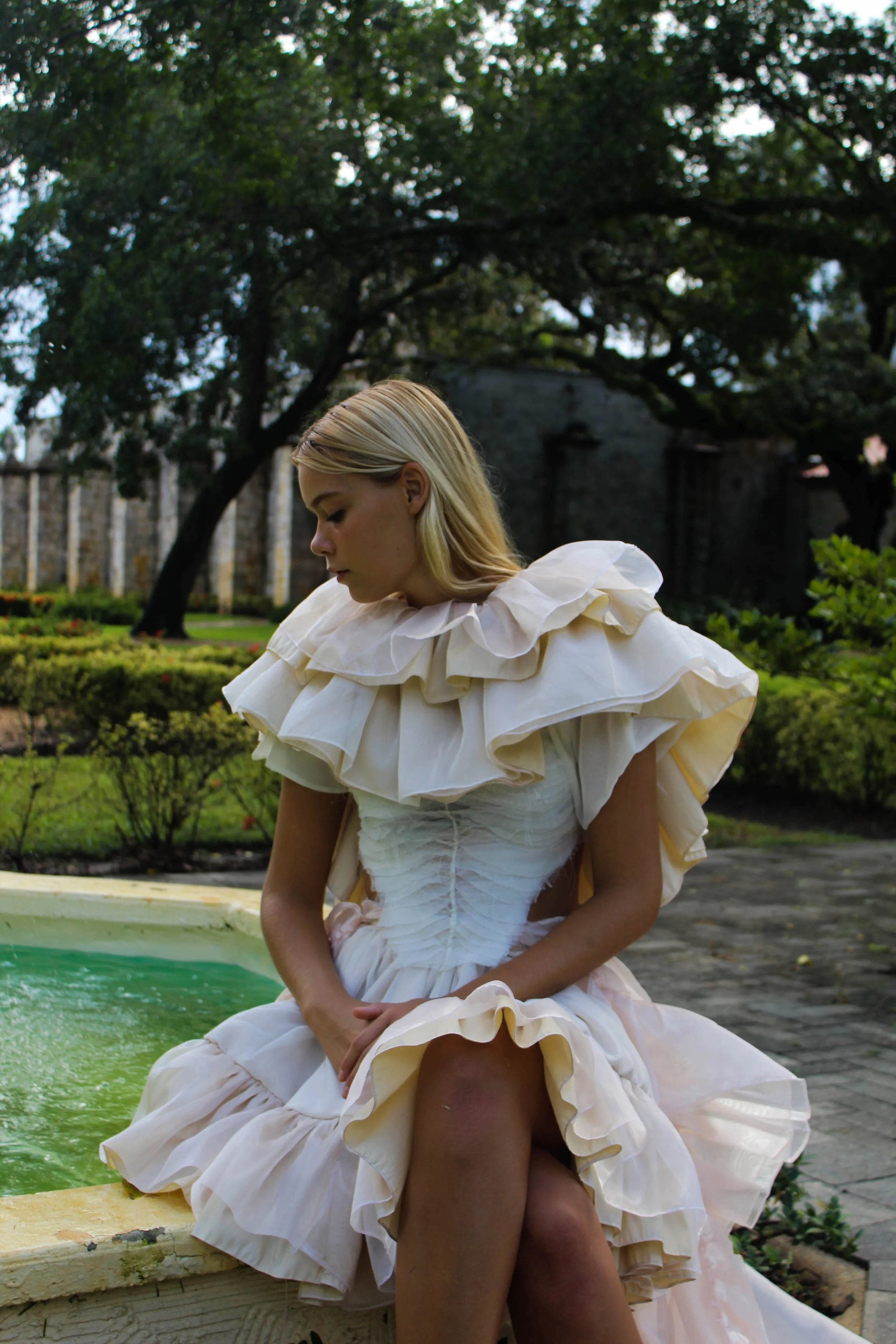
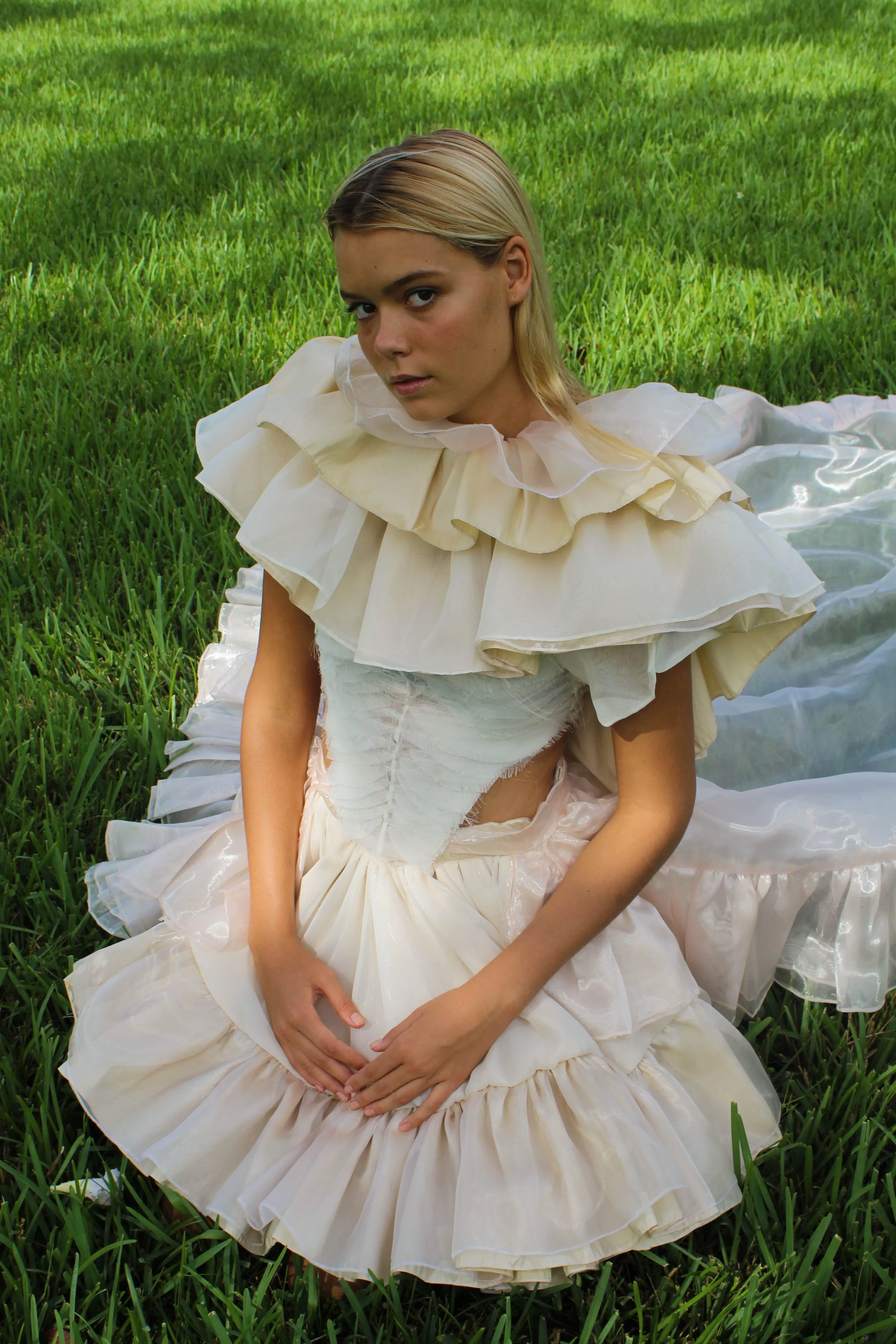
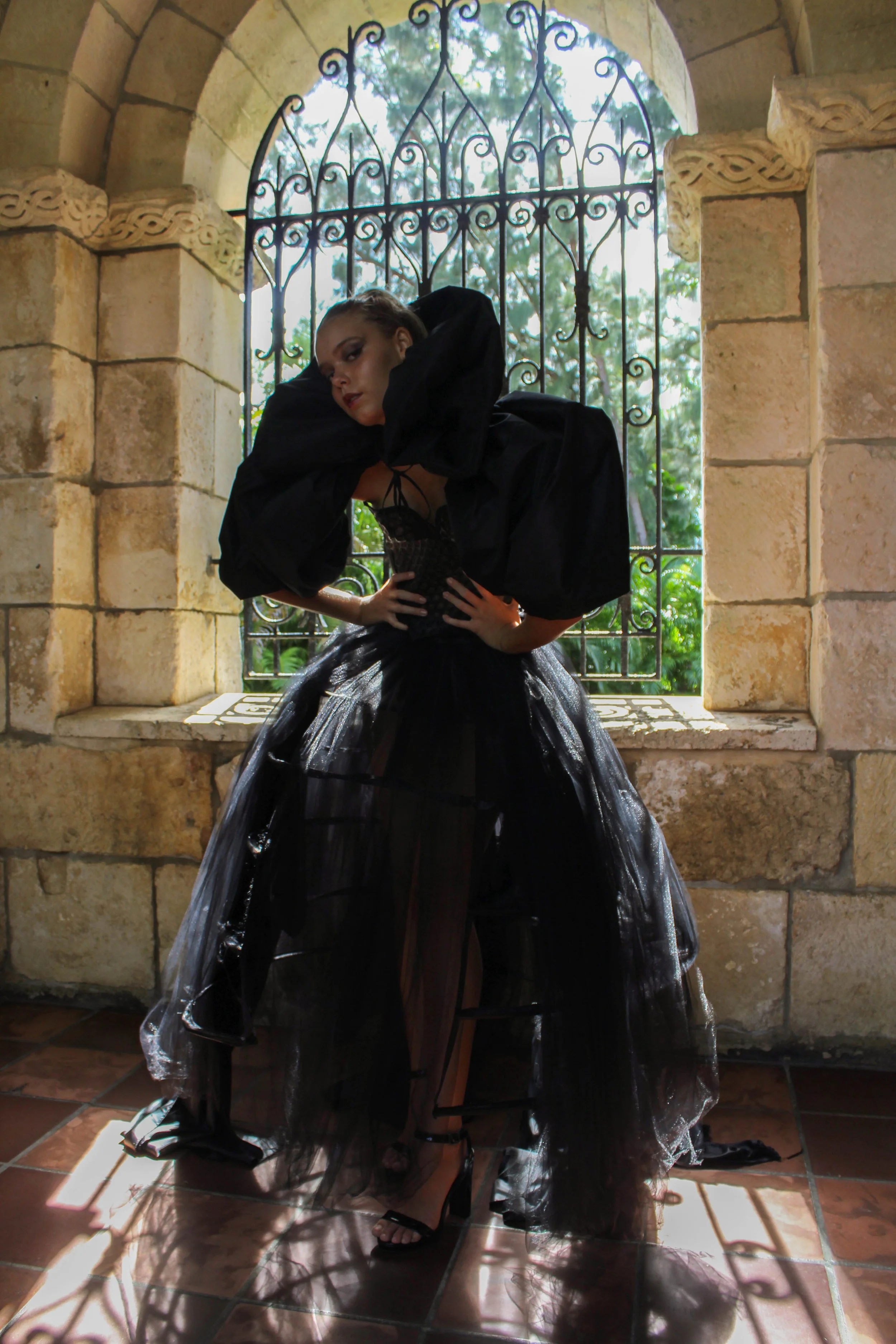
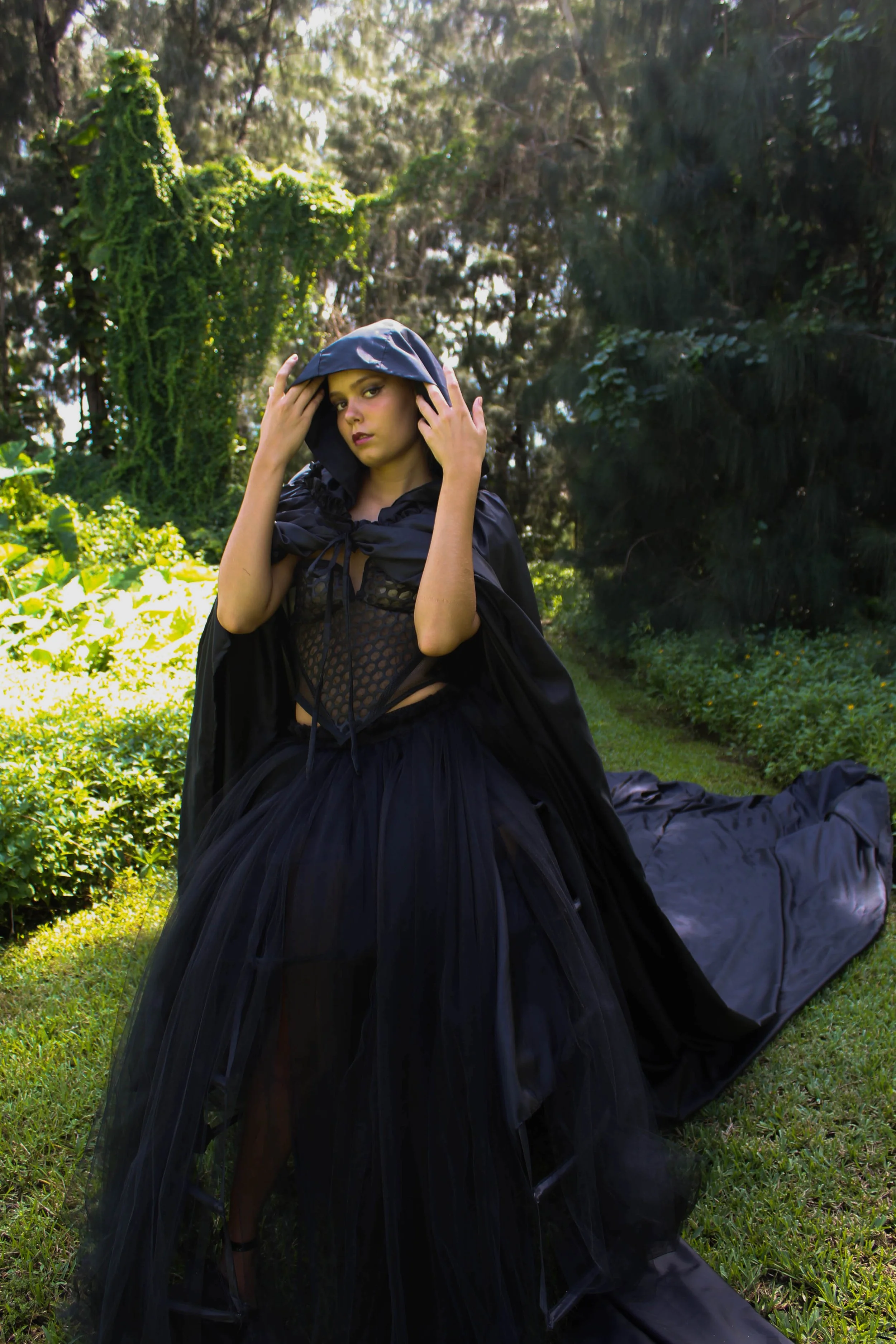
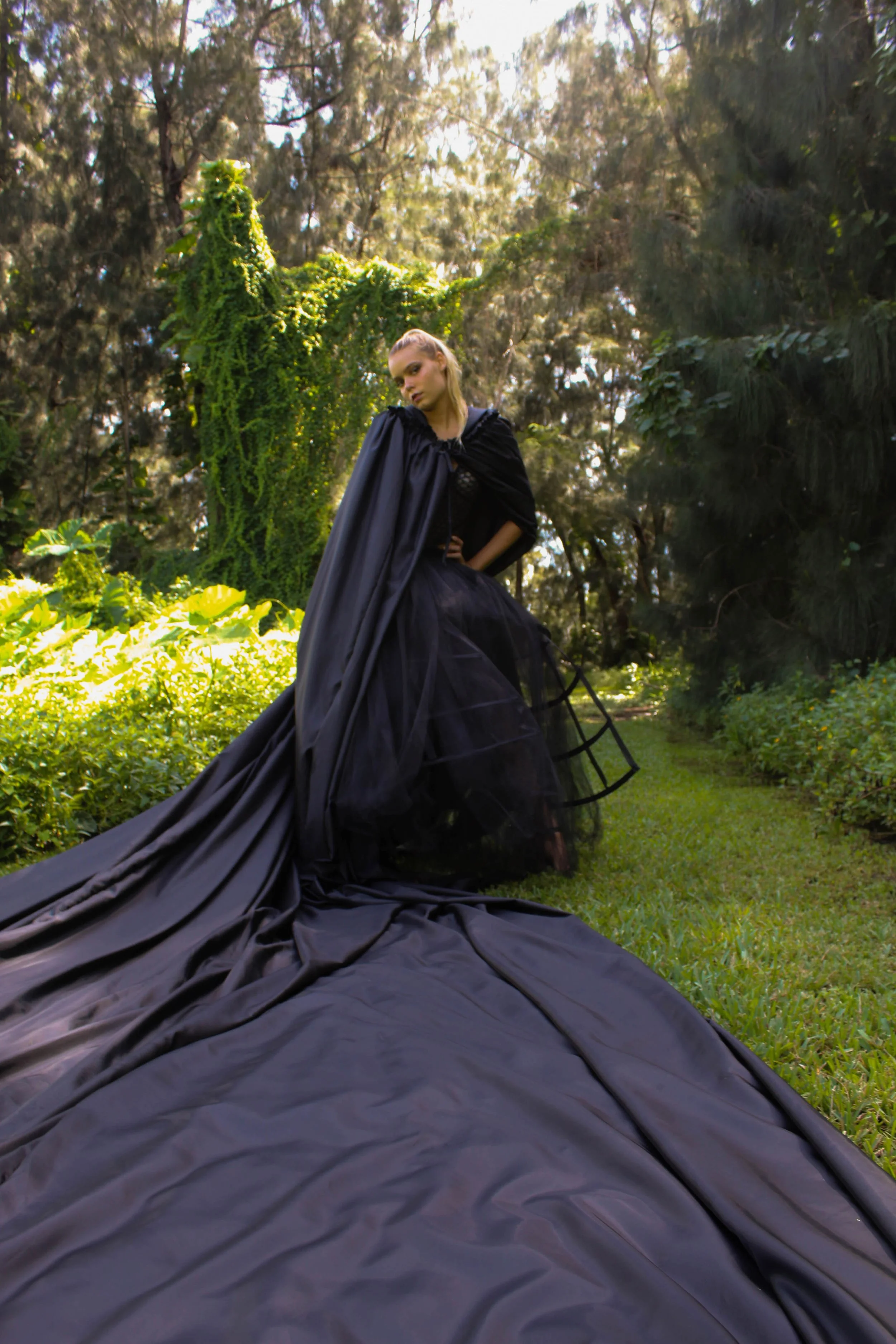
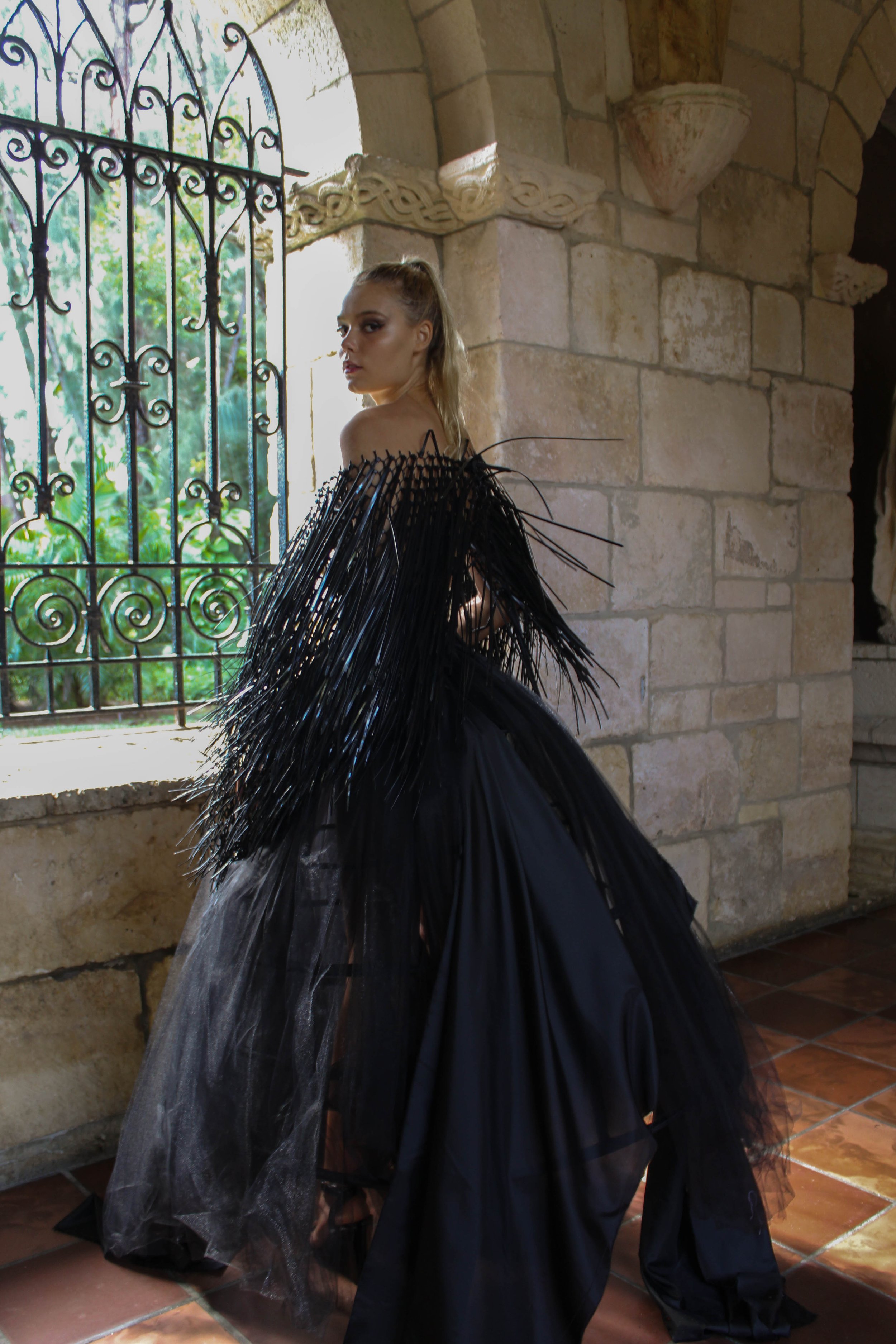
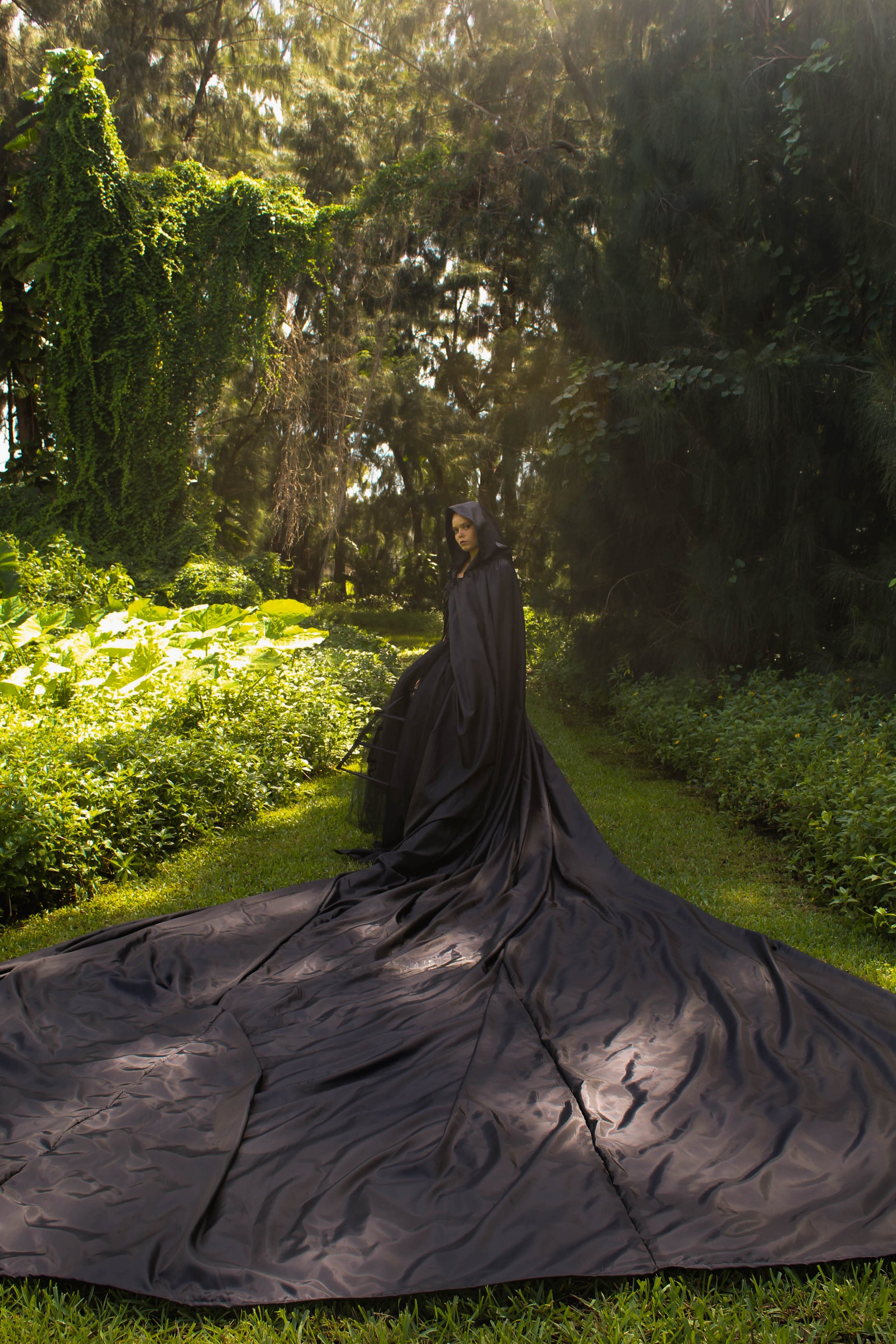
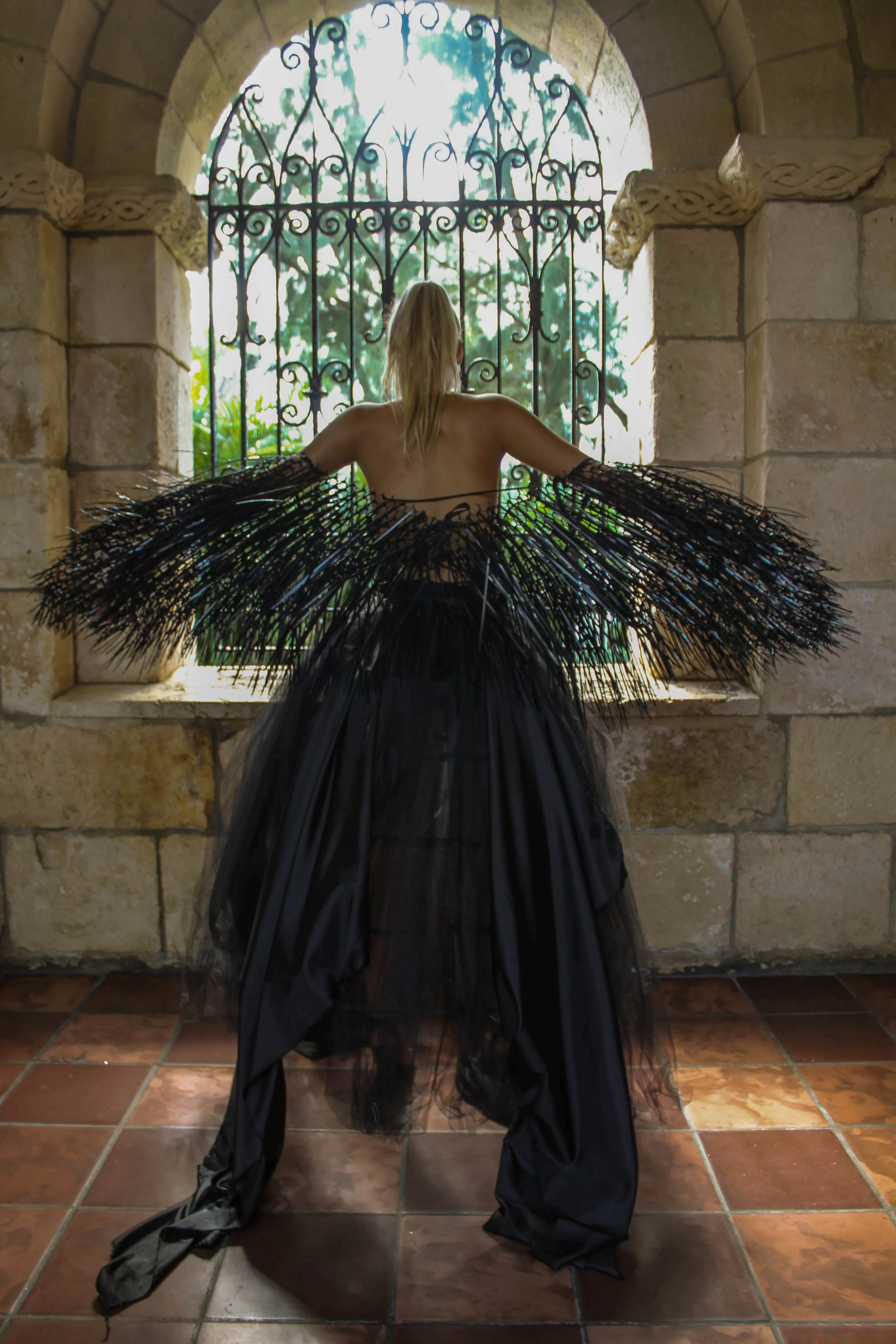
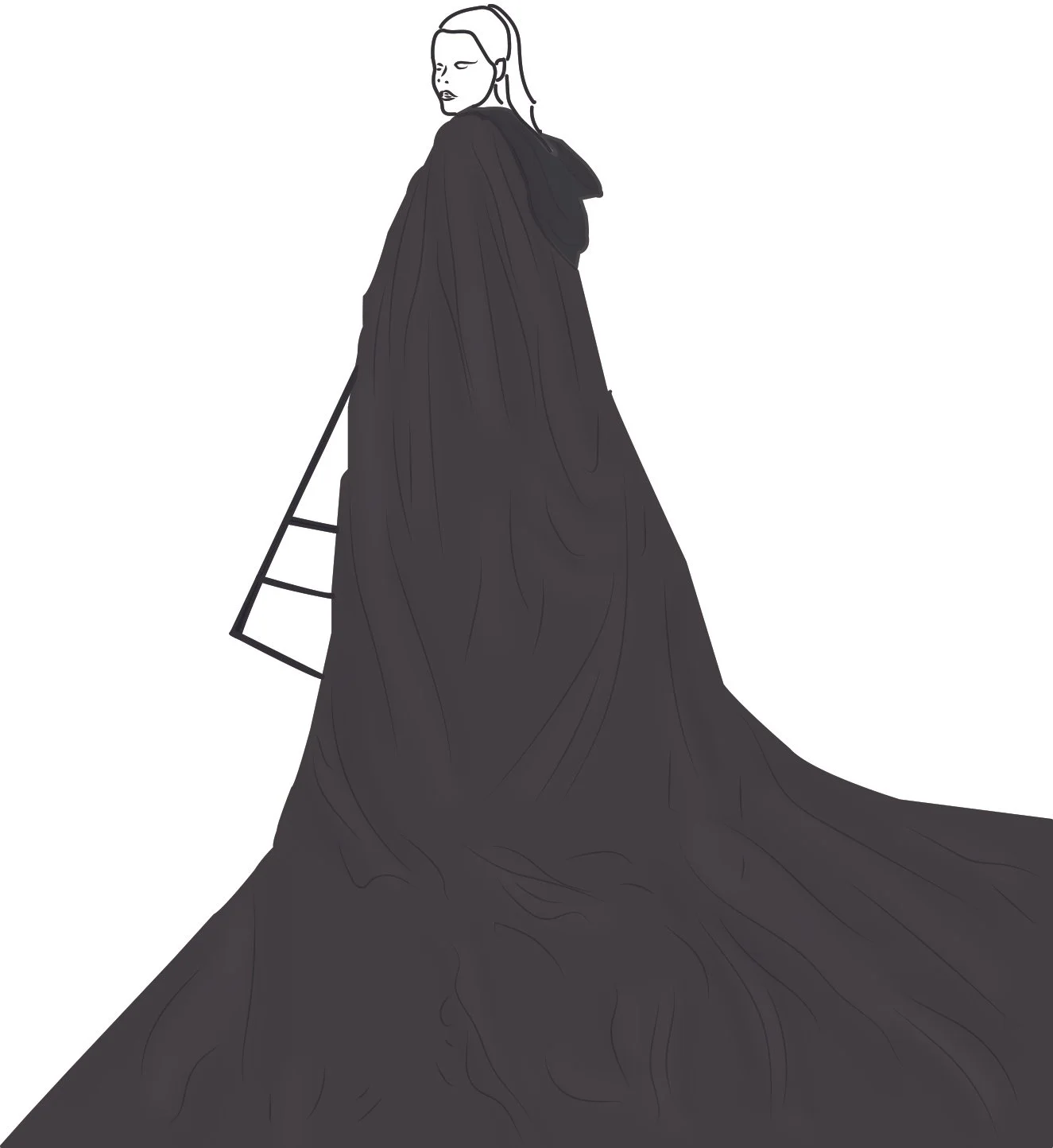
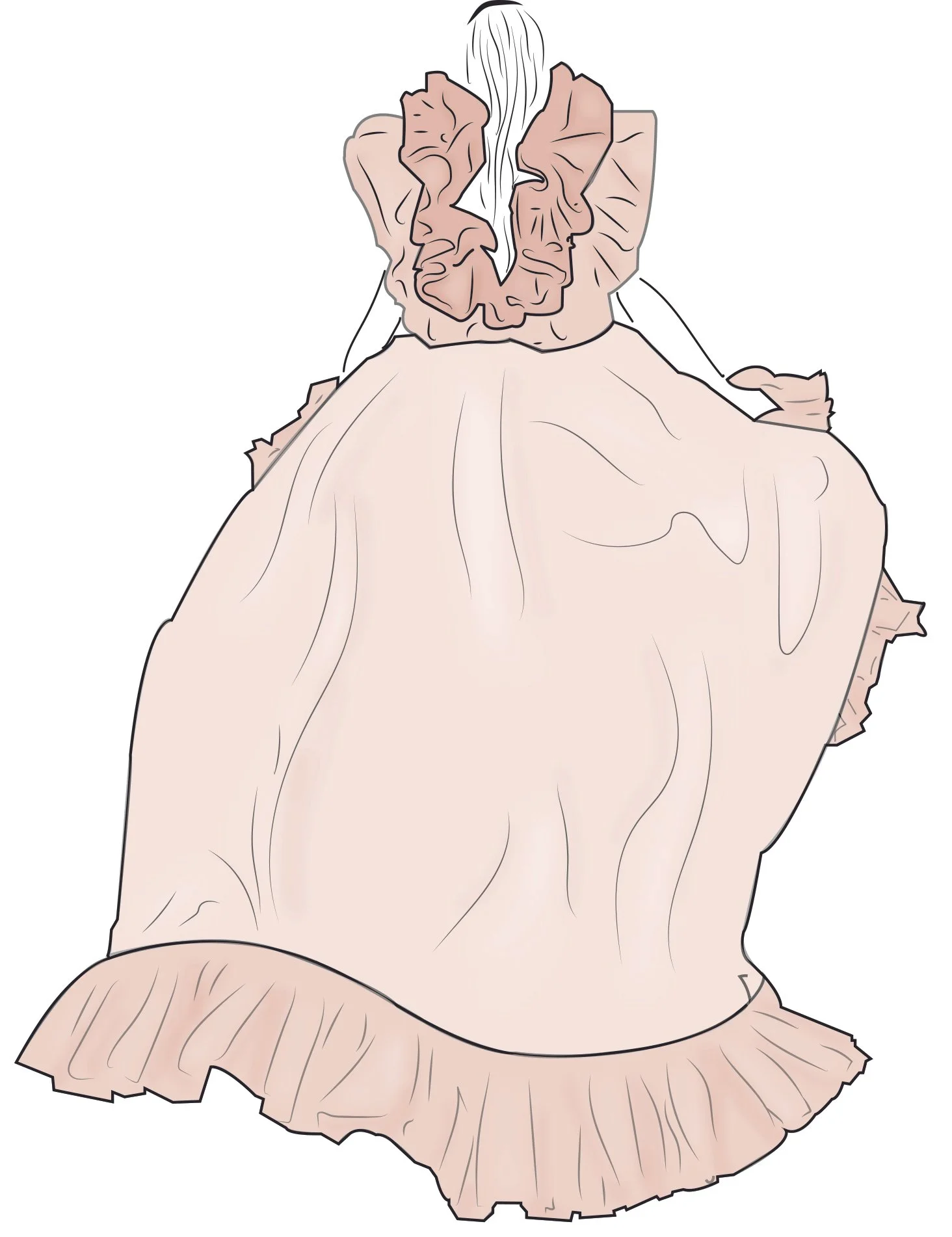
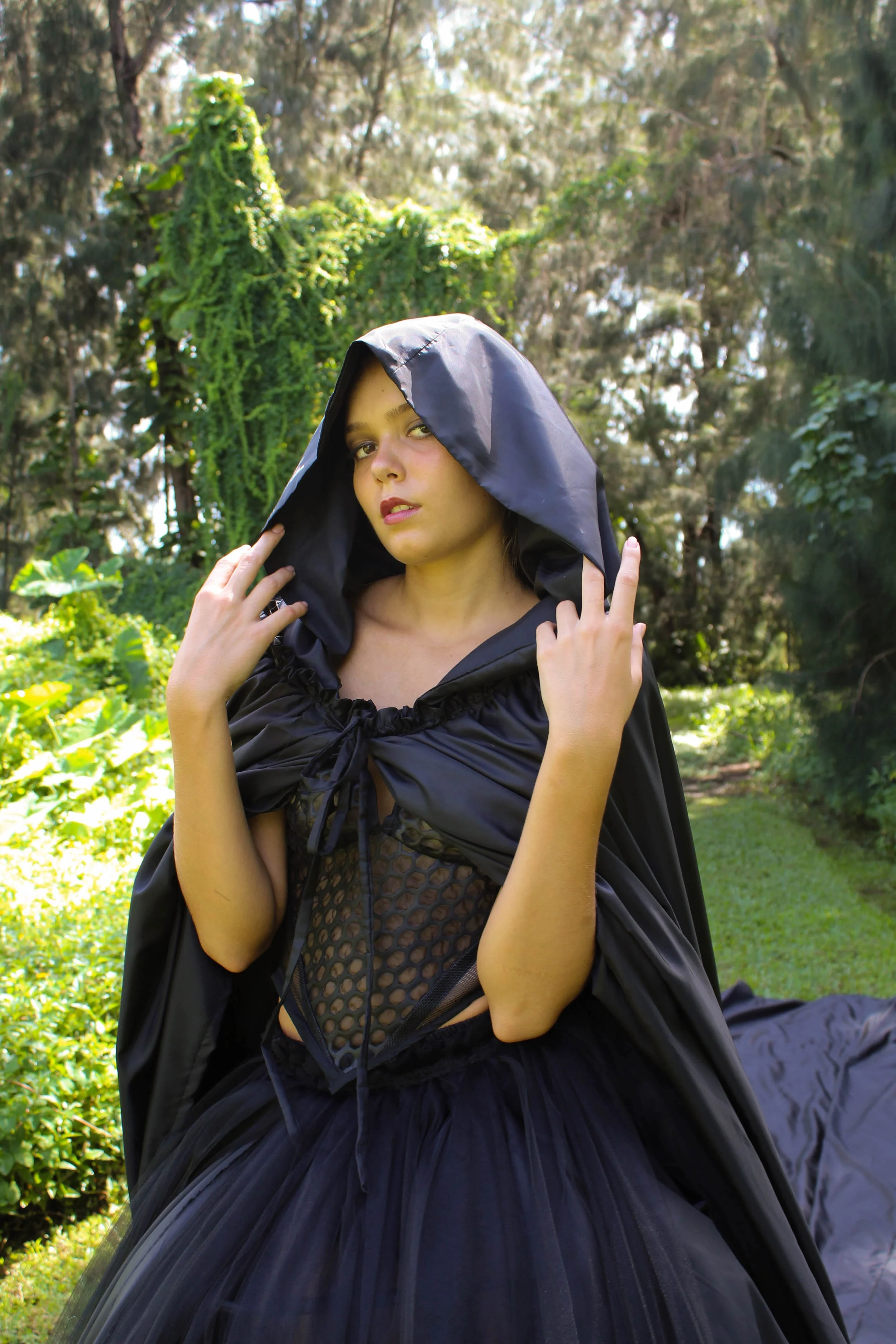
My goal for this project is to convey the impact that the current pandemic will have on our world by creating two distinctive garments that portray this historical event. My intent was to capture the darkness and uncertainty of our time while encouraging thoughts about the positive possibilities that also lie ahead. Previous worldwide pandemics have been followed by periods of extensive “rebirth” so I’m trying to envision how our future will be transformed by our current experience. The Bubonic Plague of the 1300’s was a time of darkness and suffering, where a third of the world’s population perished. This dark time however ultimately passed and was followed by the Renaissance, a time of social, economic, cultural, and religious advancements where creativity and artistic growth flourished.
Parallels can be drawn between that time and the present situations. The Coronavirus has already taken the lives of over 200,000 individuals in the United States more than 1,000,000 people worldwide. While this is still a fraction of the 25 million lives lost from the Plague, we do not yet know the final outcome and ultimate toll this virus will take on the world. The decisions we face and actions we take will define and vastly impact our future. The question is whether we will be able to rise to the challenges we face or be weighed down by them leaving their consequences for future generations to deal with. My intention with these garments is to provoke thought about what is next for our society and motivate our generation to understand that we are at a crossroads in history where major shifts are possible but only through our own positive actions.
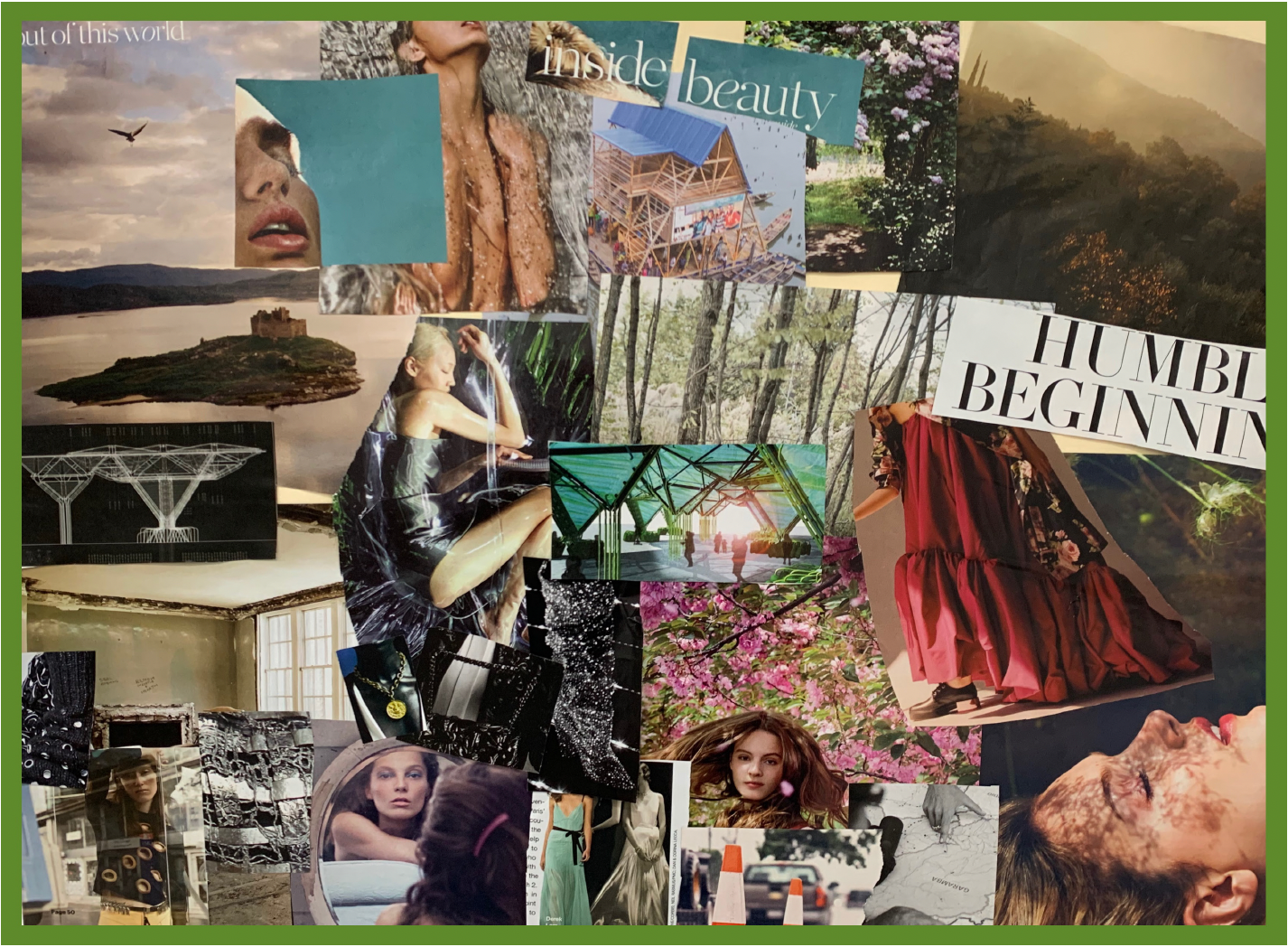
One of my great hopes for this generation as the crisis comes to its eventual end is a revived appreciation for the outdoors and life’s simple pleasures. Things that we took for granted, like a hug or a handshake will again be appreciated and will be restorative. We are already seeing this with families and communities coming together and the vast impact that the reduction in travel and manufacturing can have on the environment. While the rebirth following the Black Death led to a time of cultural and artistic creativity, the rebirth of our generation will hinge on our connection with self and nature and how this will redefine what it means to be human.
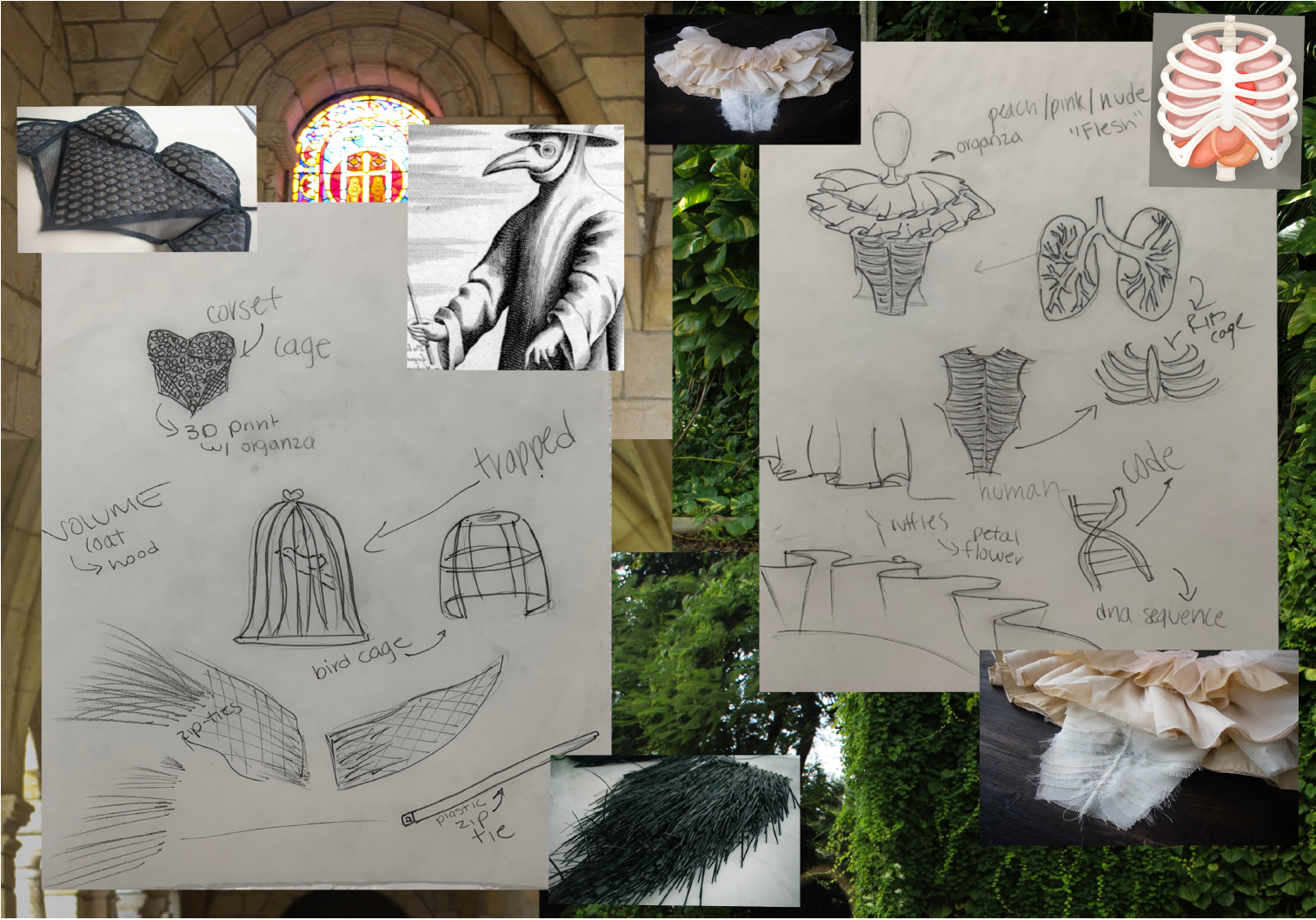
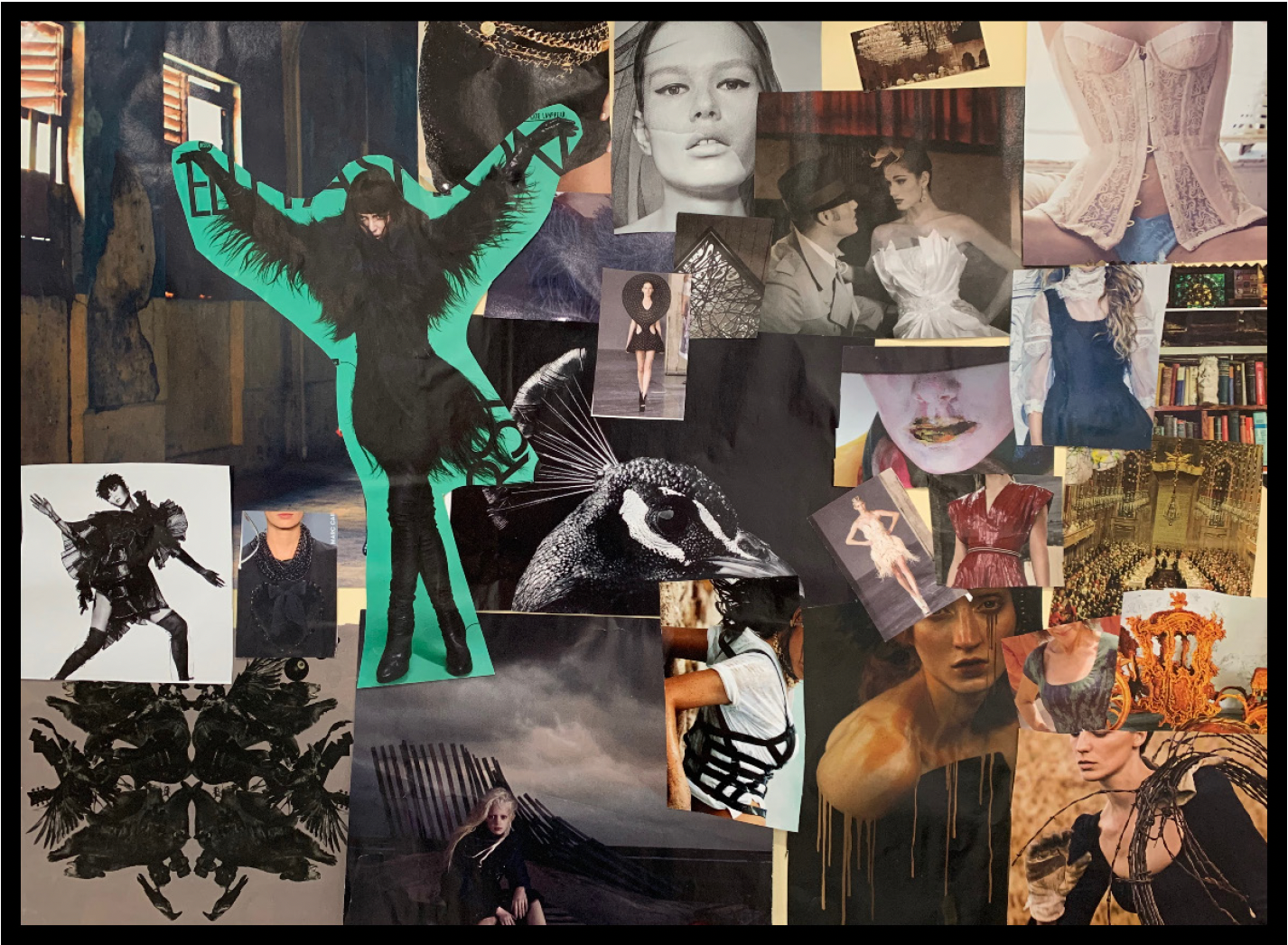
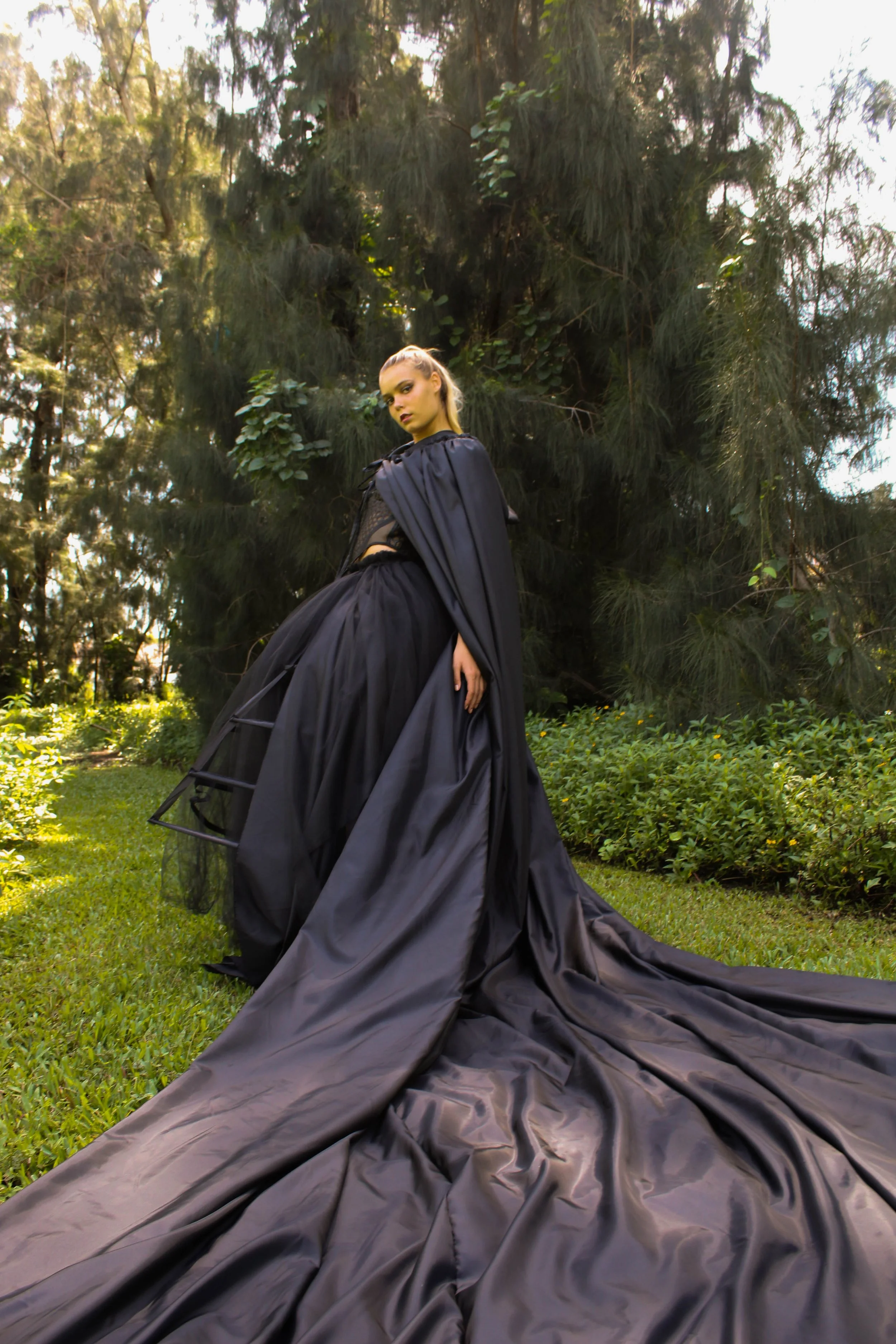
The black voluminous ball gown is a reflection of the dark times and tough circumstances in our world brought about by the current situation. Certain aspects of the piece are reminiscent of what society was like during the Black Plague. Doctors wore masks resembling beaks which linked the Black Death with a bird like persona. Intrigued by this and the idea that the coronavirus was first reported in bats, I chose to include wings, which are constructed from individual zip ties, attached to plastic fencing. I designed the corset to support the body 3D printed on top of an organza fabric. Both the corset and the skirt challenge the concept of a cage and demonstrate the notion that we are trapped both mentally and physically during this time. The coat, made from dead stock black taffeta symbolizes the heaviness of our times and the dark reality that we are living. The length of the coat is meant to reinforce the heavy weight we are carrying and represent the uncertainty of when there will be a resolution
The romantic feminine ball gown with voluminous ruffles and an airy and light cape inspires a return to nature and one’s personal connection to self that will be transformative as we begin the recovery phase. It is meant to provoke thoughts about a rebirth and awakening for our generation that can be related back to the Renaissance. The color of this garment was chosen to represent human flesh, showing the raw and pure potential of human nature. The fabric manipulation on the bodice symbolizes human lungs, showing that our reconnection with nature and the self will lead to the absence of disease. This was inspired by the fact that Coronavirus is a respiratory illness and little is known about the long-term effects on our lungs. The billowing ruffles seen throughout the piece, constructed from deadstock organza and taffeta fabrics, are meant to suggest the image of a flower, again reinforcing the notion of renewal and natural beauty. I wanted to create silhouettes that were beautiful and feminine that celebrate the human form.
This project and my work overall is inspired by the designer Iris Van Herpen. She utilizes traditional techniques and skills with unconventional materials in a thought provoking manner. Specifically, in her 2014 collection “Biopiracy,” Van Herpen uses her platform to challenge political and societal issues in an innovative way. She questions the concept of ownership of one's own body and the ethics behind “biological patents.” Through this work, she is raising awareness regarding the legality and moral dilemmas we face when considering ownership over genetic material and whether altering the human genome should be allowed. She brings to light the notion that there are scientific advances at our fingertips that give us the power to change the very nature of what makes us human. Modifying humanity may appear as a scientific advance, but has the potential to interfere with our ability to return to nature and be in touch with our bodies. The greatness of Van Herpen’s work lies in her ability to highlight these complex and controversial topics, while innovating with unconventional materials and transforming them into avant-garde designs. Her extensive collaboration with experts outside the field of fashion including artists, scientists and architects has allowed her to innovate in ways that set her apart from other designers. My work on these specific pieces began with that type of an evaluation: how this pandemic has brought to the surface some of the “self-image” insecurities that our generation was already facing. The ever-present desire for “perfection” opens the door to the temptation of using the shortcut of genetic manipulation to achieve a temporary goal which has the potential to alter mankind forever.
Van Herpen’s collection (and I hope my own) raises questions that potential abuses of genetic science interfere with our ownership over our own bodies. I interpret this as a reminder that there will be great implications for how we chose to utilize technologies and science during the time of rebirth that is to come and wanted to illustrate through my project that a return to nature and the self will be central to our recovery. If not, we may set ourselves on a more dangerous path. The dilemma for our generation is to decide how to balance the desire for beauty and good health with the ethical challenges we are facing.